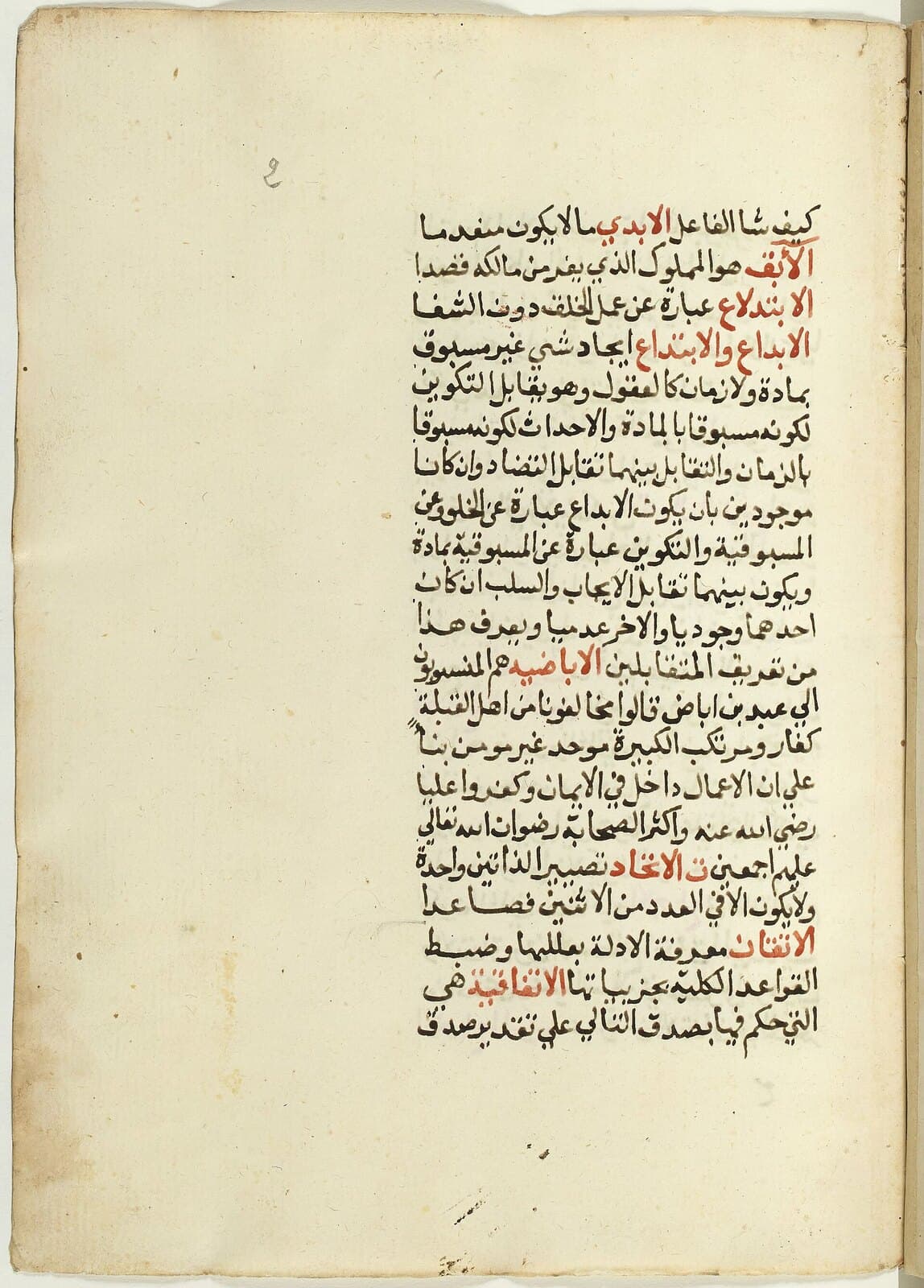
The foundations of Islamic law
Islamic law is not a list of rules but a theory of interpretation. This cycle takes its mechanism apart.
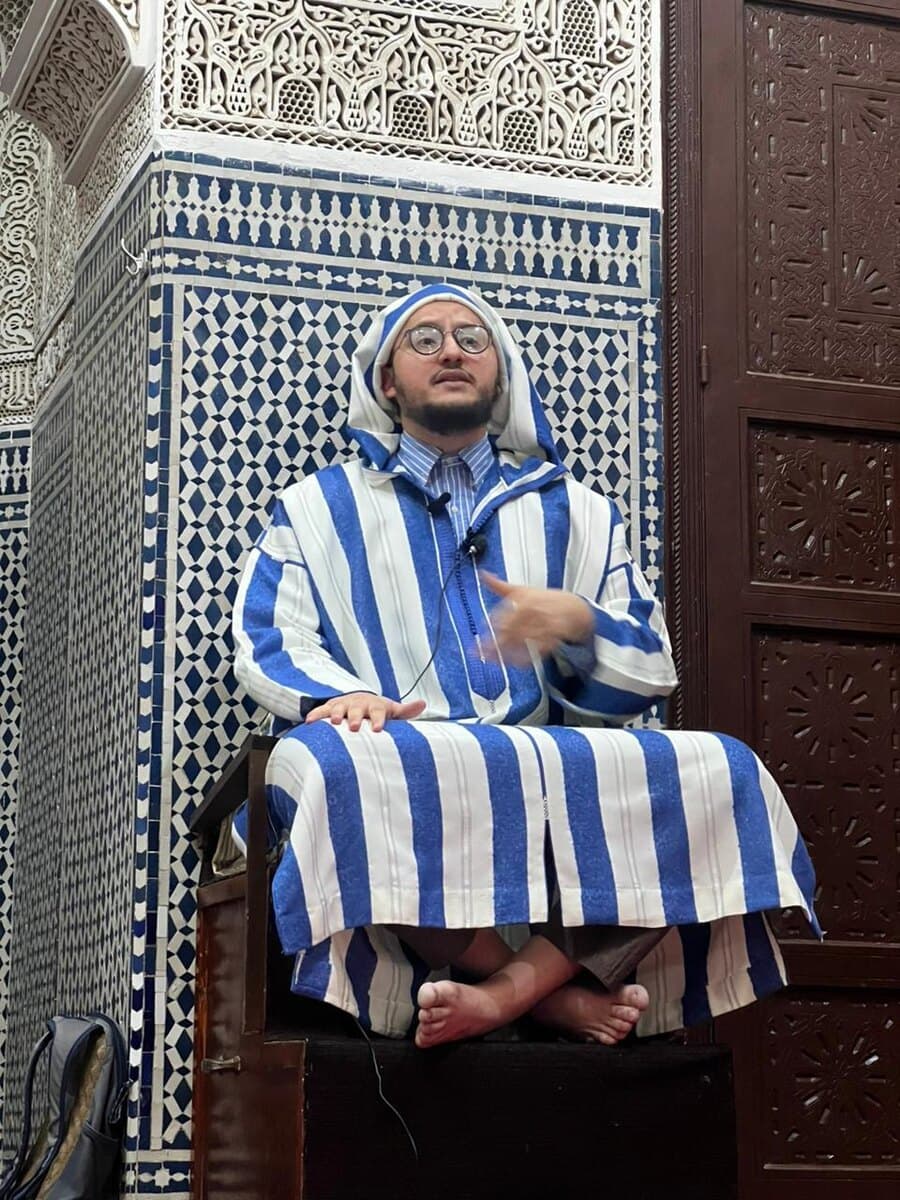
From the founders of Baghdad to the masters of Fez
علم الكلام الأشعري
How a theological school born in the East became, in the Maghreb, the official doctrine of an empire — and what it actually said.
Al-Ašʿarī between Muʿtazilism and traditionalism: the break in Basra, the formulation of a middle way, and the gradual constitution of a corpus.
The divine attributes, the theory of human action, the atomism of the created world: the concepts without which no text opens up.
Al-Andalus and the Maghreb: Mālikī resistance, Almohad appropriation, Marinid institutionalisation. A doctrine that became political.
Complete study of a Maghrebi profession of faith of the 7th/13th century, sentence by sentence, with its early commentary.
Islamic law is not a list of rules but a theory of interpretation. This cycle takes its mechanism apart.
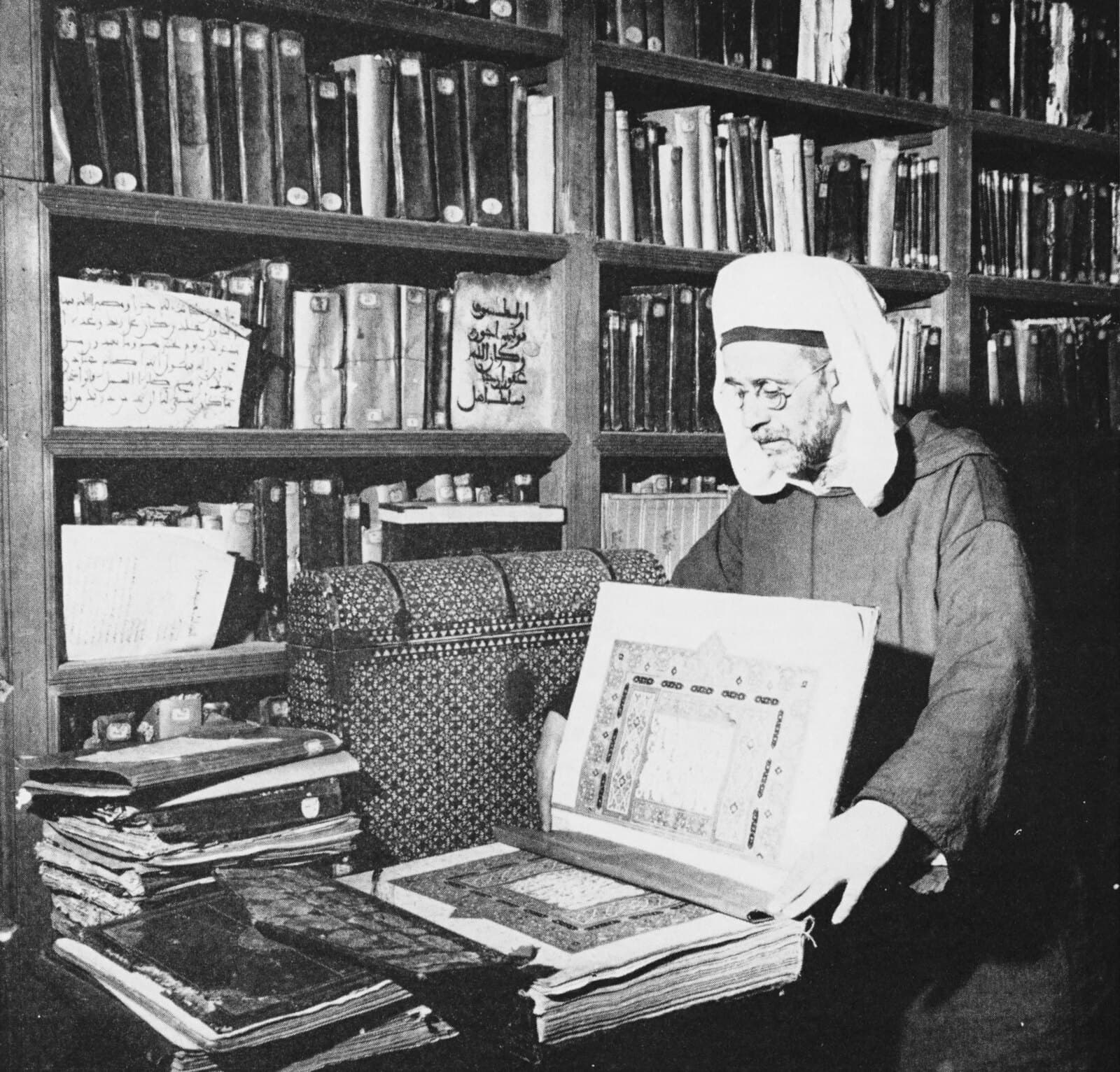
Entering grammar not as one enters a textbook, but as one enters a science of language built twelve centuries ago.
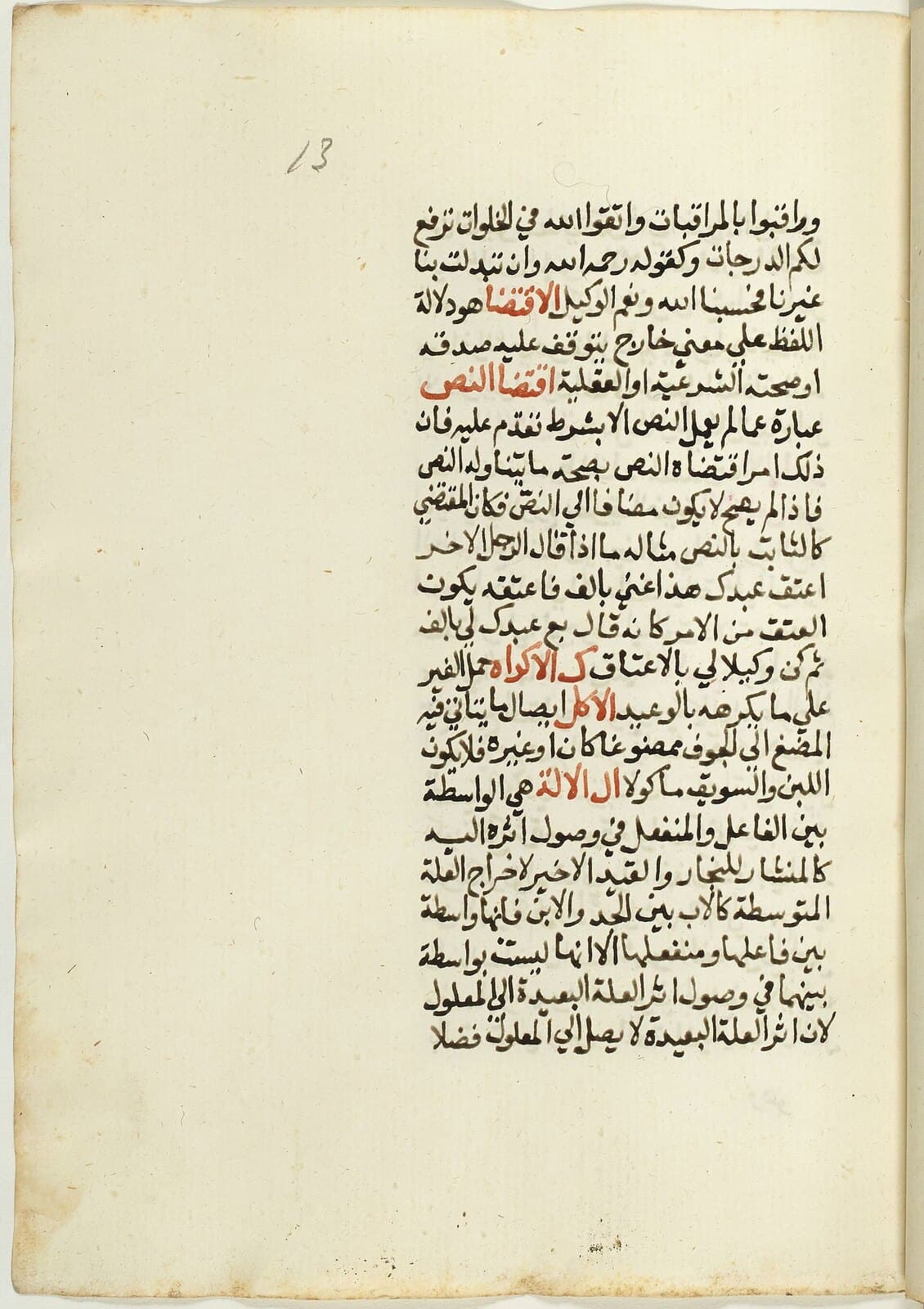
A practical workshop: reading a Maghrebi hand, dating a copy, collating witnesses, establishing a text.