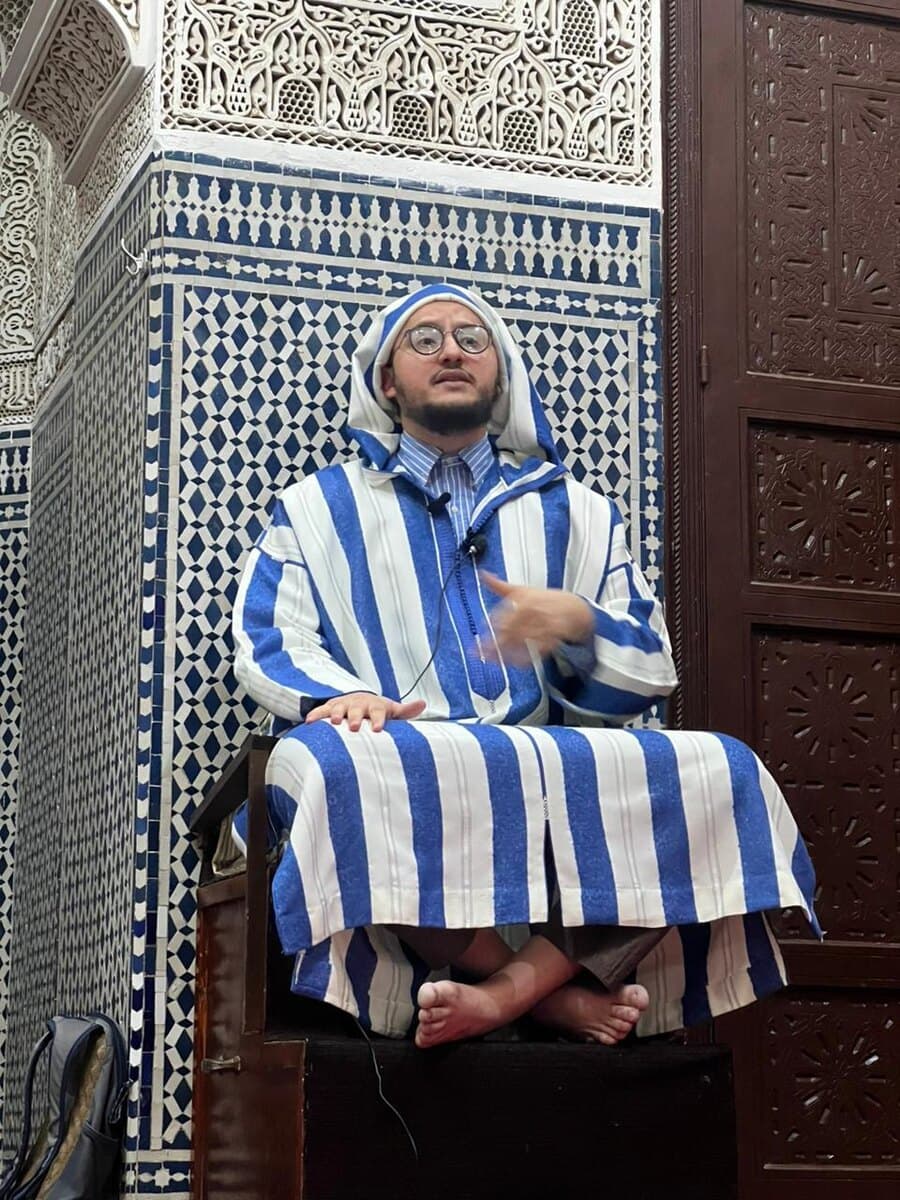
Ašʿarite theology
How a theological school born in the East became, in the Maghreb, the official doctrine of an empire — and what it actually said.
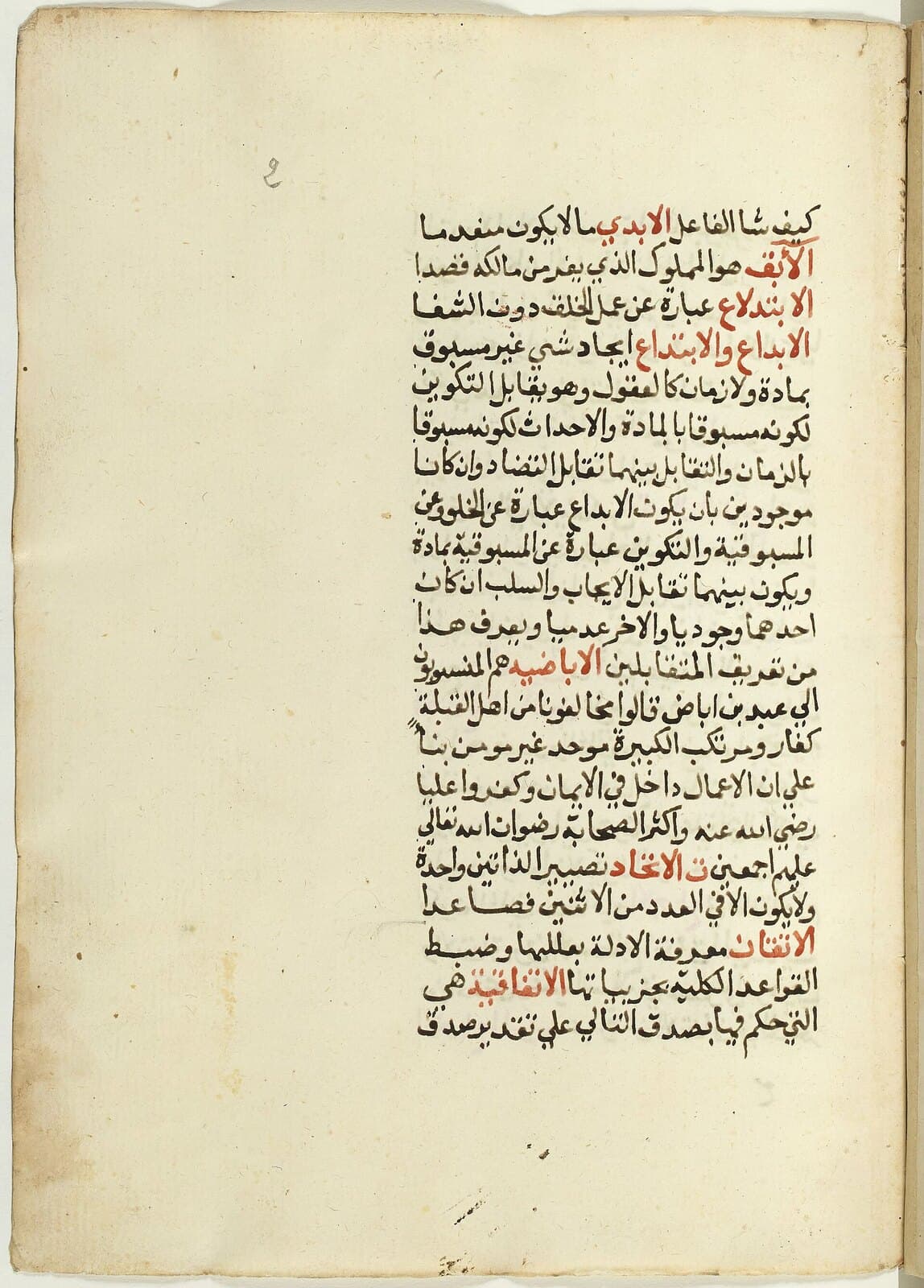
Uṣūl al-fiqh: how a norm is built
أصول الفقه
Islamic law is not a list of rules but a theory of interpretation. This cycle takes its mechanism apart.
Qurʾān, sunna, consensus, analogy: the question of authority and that of proof, carefully distinguished.
General and particular, absolute and restricted, imperative and prohibitive: the share of grammar in the elaboration of the norm.
Determining the efficient cause, classical objections, textbook cases. Legal reasoning as a discipline of rigour.
Study of selected passages from Ibn al-ʿArabī's commentary, in the recent edition and translation.
How a theological school born in the East became, in the Maghreb, the official doctrine of an empire — and what it actually said.
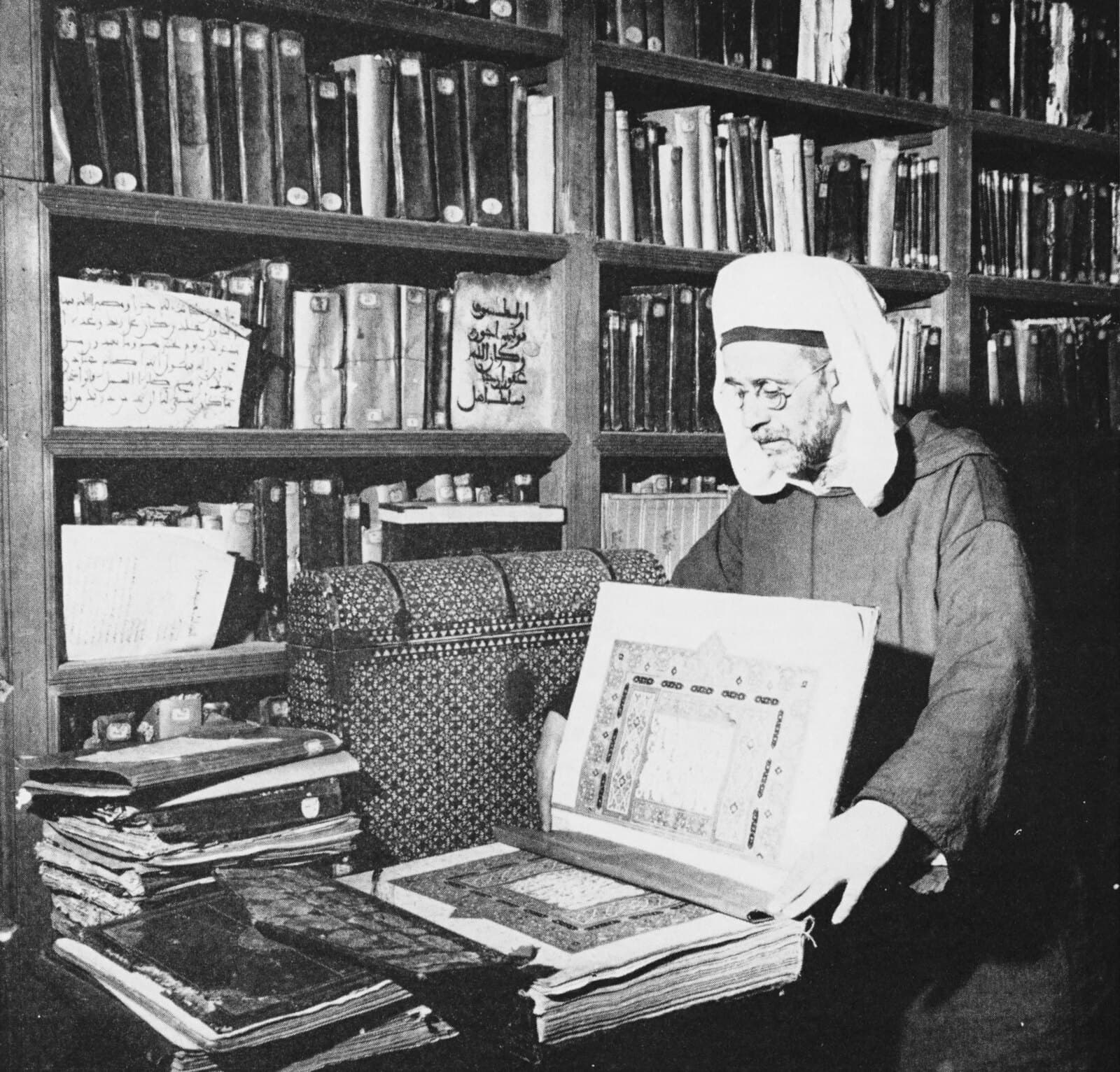
Entering grammar not as one enters a textbook, but as one enters a science of language built twelve centuries ago.
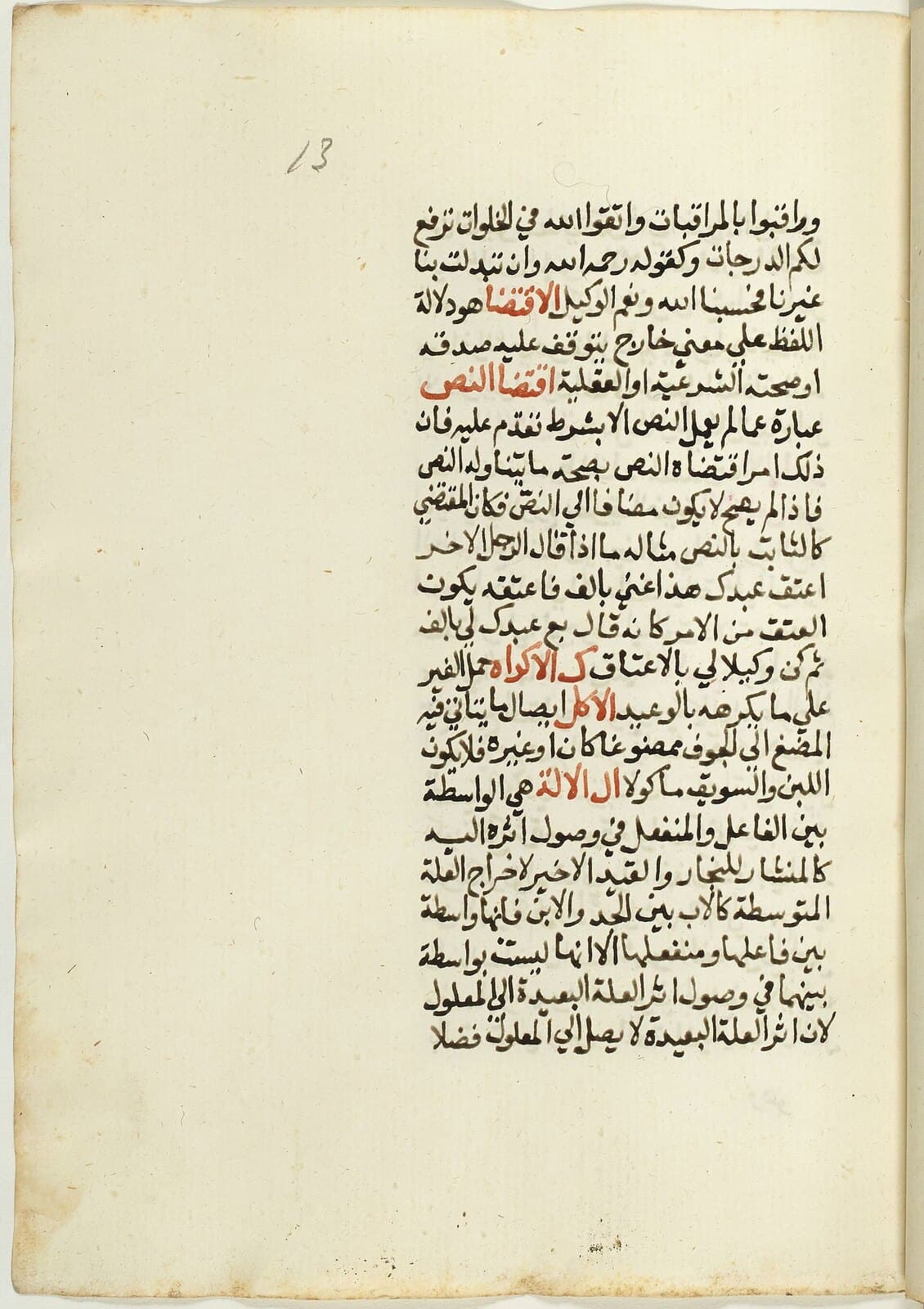
A practical workshop: reading a Maghrebi hand, dating a copy, collating witnesses, establishing a text.